November 26, 2026
Choosing the Right Private City Tour in Barcelona
By @privatecitytoursbarcelonalife
Private city tours in Barcelona work best when the day is shaped around how you want to see the city, not around a fixed schedule that happens to include famous stops. Barcelona rewards a slower look: narrow lanes, plazas, markets, architecture, sea air, and neighbourhood details that are easy to miss when you rush between landmarks.
The right choice depends on your group, your walking comfort, your interests, and the level of structure you want. Start with the basics, then narrow the field with a few careful checks.
Set the purpose of the day
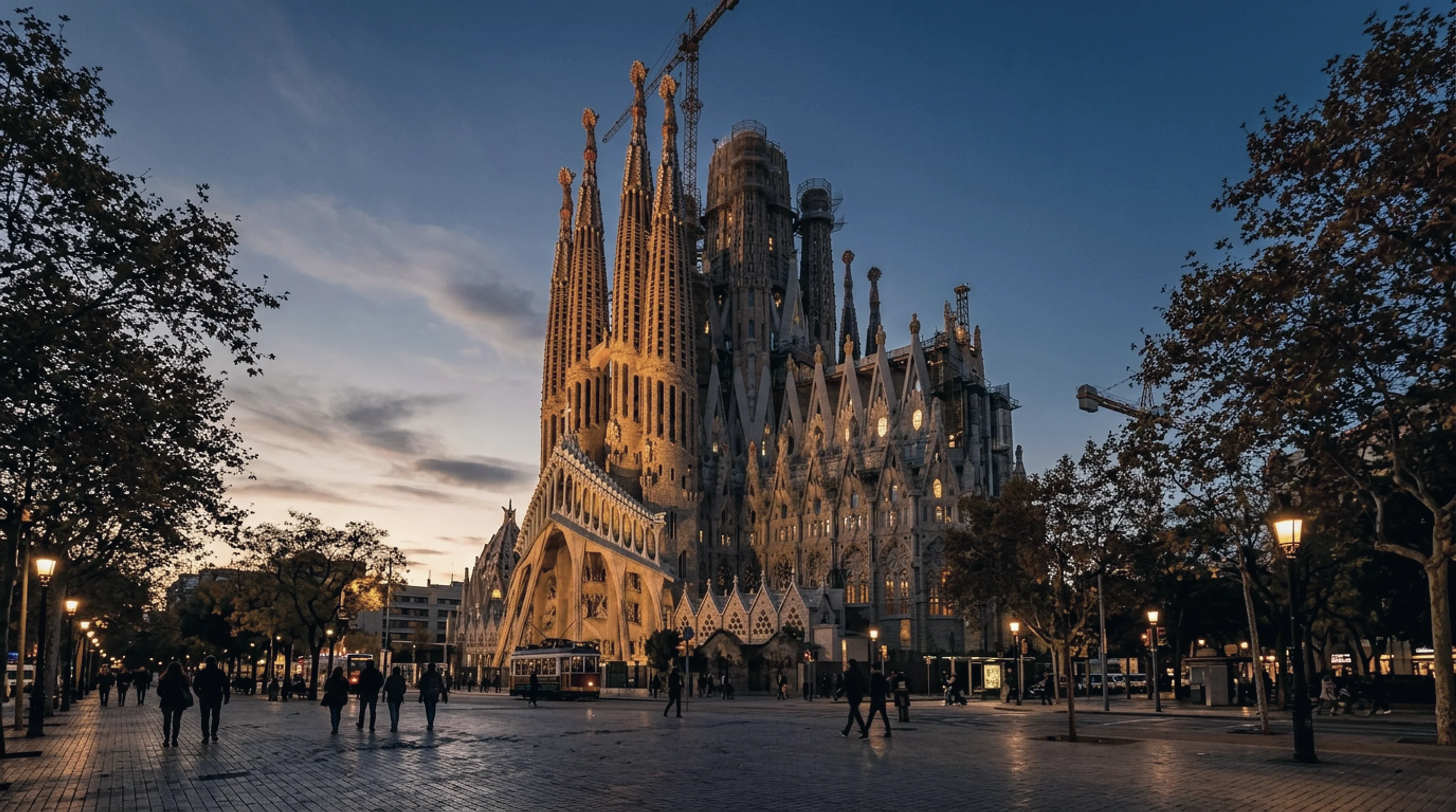
Before comparing options, decide what the tour needs to do. A first visit may call for a route through the Gothic Quarter, a look at La Sagrada Familia from the outside, and time around Park Güell. A repeat visit may be better with guided walking routes focused on food, design, street art, or old neighbourhoods. Families may need short walking stretches and clear meeting points. A business group may want a smooth route that leaves time for lunch or a late arrival.
Write down two or three priorities and one thing you are happy to skip. This keeps the plan realistic. Barcelona has enough layers to fill many days, and trying to fit everything into one outing often turns the experience into a race. If your priority is architecture, give the buildings room. If it is local atmosphere, leave pockets of unplanned time.
Choose the right style of tour
Private city tours barcelona can take several forms. A walking tour suits central areas and gives a guide room to explain details as you go. A vehicle based tour helps with distance, heat, or limited mobility, though it can reduce the chance to linger in small streets. A mixed plan can work well: a private chauffeur for longer transfers, then time on foot in a compact district.
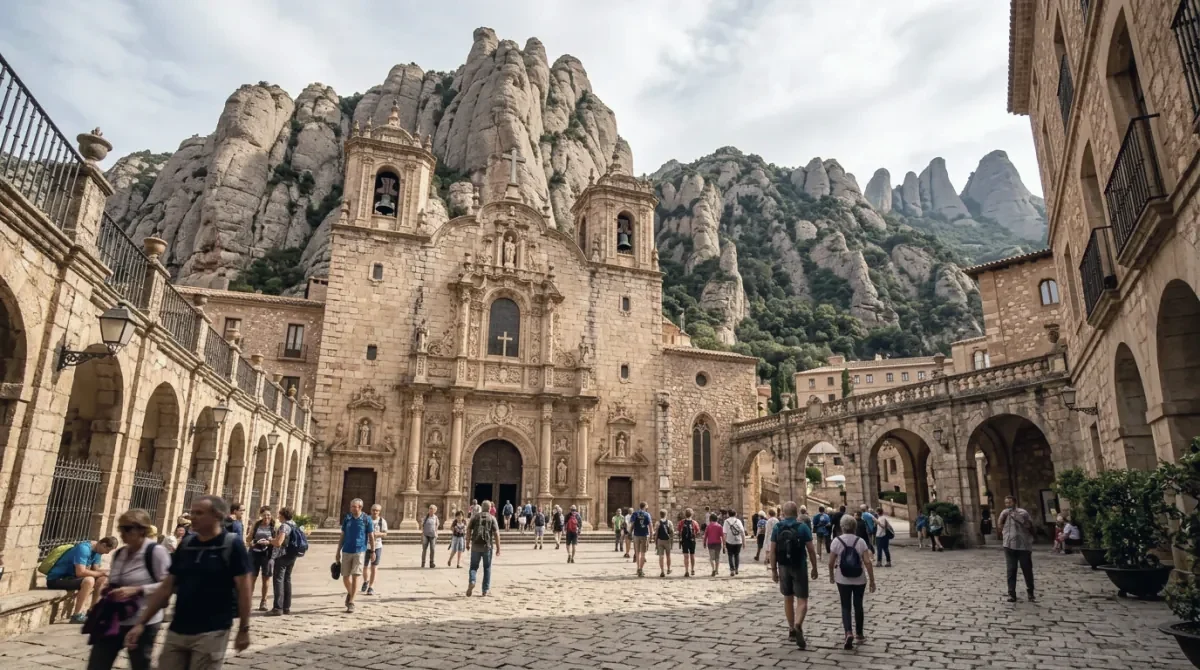
Think about the rhythm of the day. Walking through the Gothic Quarter is different from moving between viewpoints across the city. Steep streets, uneven paving, crowded pavements, and long gaps between stops all matter. Watch for routes that list many attractions but give little time at each one. A good plan should say how long each part takes and where there is a chance to sit down.
When comparing providers, look at how clearly the route is described. Vague wording may sound flexible, but it can hide a thin plan. On the other hand, a schedule packed to the minute may leave no space for questions, photos, or a cafe stop. Aim for a route with a clear beginning, a sensible order, and a few natural pauses.
Match the guide to your interests
Local guide expertise makes a noticeable difference in a city with many layers. The best fit is not always the person who can name the most dates. It is the guide who can connect a building, a street, and a local habit in a way that feels useful to your group. Ask what themes the guide can cover and how the route changes for different interests.
If you are travelling with children, ask whether the explanation can be shorter and more visual. If you are interested in architecture, ask how much time is given to Gaudí and the surrounding modernist context. If you prefer history, check whether the route goes beyond the familiar landmarks. The answer should sound specific enough to shape the day, not like a general description that could apply anywhere.
Language matters too. Confirm the language of the tour and whether the guide can switch comfortably if the group includes different speakers. Clear communication affects everything from the pace of walking to the way questions are handled.
Check access, timing, and entry details
Some Barcelona landmarks involve timed entry, security checks, or prearranged tickets. skip-the-line access can reduce waiting, but it does not remove every form of queue or security screening. Read the wording carefully. A route that says a site is viewed from outside is very different from one that includes entry inside.
Timing also needs attention. A morning tour may feel calmer in busy central streets, while late afternoon light suits photography. If the plan includes a popular attraction, check whether the listed time allows enough buffer for delays elsewhere in the day. Arriving stressed at the first stop can colour the whole experience.
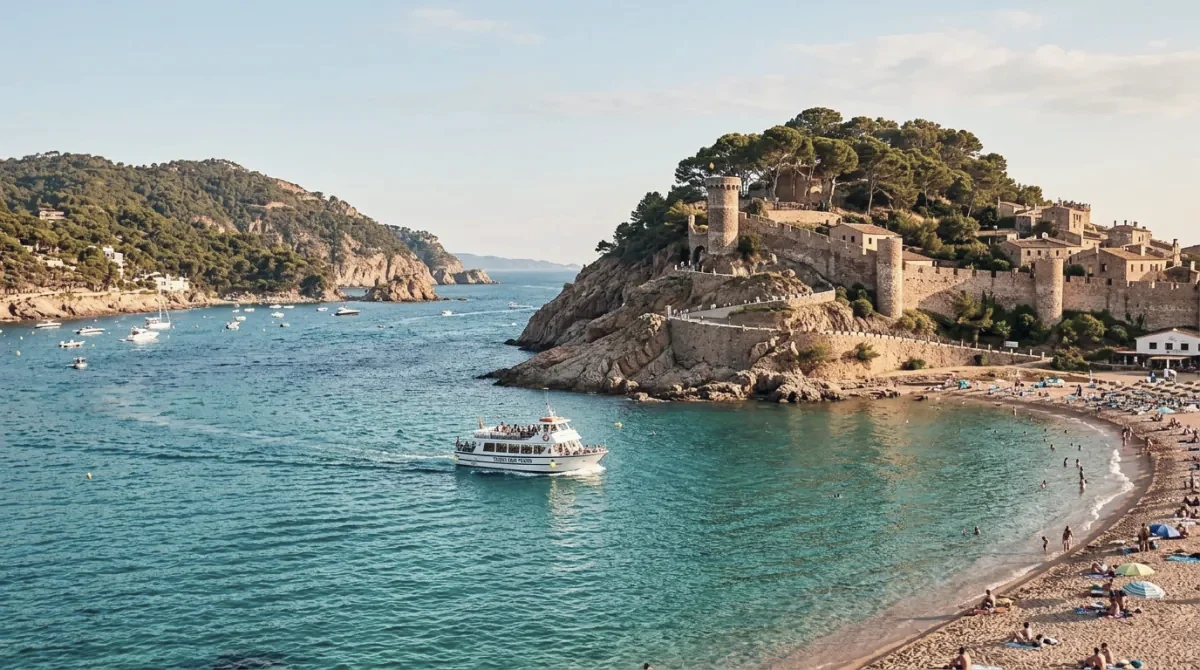
Watch for meeting details that are too loose. A precise meeting point, a backup plan for rain, and a clear end point all help the day run smoothly. If the route ends far from where you are staying, check how you will get back. This is especially useful after a long walk or when travelling with older guests.
Ask how customised the plan really is
customised itineraries are useful when they are built around real preferences rather than a standard route with a few stops removed. Name the things that matter to you: a quiet start, more time in a market, fewer stairs, a lunch break, or a route focused on a particular district. Then see how the proposed plan responds.
A tailored plan should still respect the geography of the city. Crossing Barcelona repeatedly to tick off unrelated stops wastes time. Group nearby places together and allow travel between areas to be part of the structure. A thoughtful route might pair a landmark with nearby streets and viewpoints, so the city feels connected rather than scattered.
Sites such as privatetourinbarcelona.com can be useful when you want to compare how different tour ideas are presented. Pay attention to the level of detail, the clarity of the route, and whether the description helps you judge fit. The aim is not to find the longest list of sights, but the plan that suits the way your group travels.
Read the practical details before committing
A short conversation before booking can prevent most problems. Ask about group size, walking distance, pace, starting point, ending point, and what happens if the weather turns. Also ask what is included and what is not. Entry tickets, transport, meals, and hotel pickup are different things, and a clear answer helps avoid surprises.
Use the following points as a quick check:
- Does the route match your main interests and walking comfort?
- Are timings realistic, with pauses built in?
- Are entry arrangements described clearly?
- Can the guide adapt the pace and explanation for your group?
Trust your reaction to the answers. Clear, direct replies usually point to a better organised outing than vague promises. If a plan sounds exciting but the practical details are fuzzy, slow down and ask again.
Final check before you choose
Picture the day from start to finish. You meet at a known place, the guide sets the pace, the route moves in a sensible order, and there is time to absorb what you see. The best private city tour is not the one with the most famous names attached. It is the one where the route, guide, timing, and small practical details fit together.
Make the final choice with your group in mind. A compact walking route may suit one trip, while a vehicle assisted plan may suit another. Compare the options on clarity and fit, and the day is far more likely to feel smooth, personal, and worth the time.
❧